





Font choice has a big impact on how your embroidery turns out. Thread doesn't behave like ink, so fonts that look great on screen sometimes lose their shape on fabric.
This guide walks you through the best fonts for embroidery, grouped by style. You'll find classic sans-serifs, bold display fonts, retro throwbacks, and scripts made for name embroidery. Each pick comes with tips on what to watch for and which projects it suits.
Key Takeaways
- Keep letters at 5mm minimum for bold fonts, 15mm for scripts and thin serifs.
- Strokes under 1.5mm wide rarely stitch cleanly, so skip hairline fonts.
- Match font weight to fabric: bold sans-serifs for fleece and terry, detailed scripts for denim.
- Home machines read PES files, industrial machines read DST, and BX skips digitizing.
- Always run a test stitch on scrap fabric before touching the final garment.
What Makes a Font Work Well for Embroidery
Legibility at Small Sizes
Print can shrink text down to almost anything. Embroidery can't. For satin stitch, letters under 5mm tall start bunching up, and the machine stacks thread on top of itself. Fine details vanish.
Treat 5mm as the absolute floor for simple, chunky fonts. Detailed fonts with thin strokes or connecting scripts usually need 15mm or more to hold their shape. When in doubt, size up.
Stitch Complexity and Thread Behavior
Some fonts have too much going on for a needle. Serif fonts with sharp connection points, or scripts with lots of overlapping strokes, force the machine to change direction constantly.
That's where you get thread breaks and puckering that won't lay flat after washing.
Stroke Width and Spacing
Thin strokes are the second biggest trap. Anything under 1.5mm wide is hard to stitch cleanly, and hairline fonts almost never work.
Letter spacing matters just as much—when letters sit too close, threads bleed together and the word turns into one blob.
Style Match with Your Project
The best font is the one that fits what you're making.
Serifs feel professional and work well for logos and business uniforms. Bold sans-serifs hold up on sportswear and caps where people read text from a distance. Script fonts feel personal, which makes them right for name sweaters and gifts.
26 Best Fonts for Embroidery by Style
Classic and Versatile Fonts
Safe defaults for logos, uniforms, and corporate gifts.
1. Arial
A workhorse sans-serif that stitches cleanly on almost any fabric.
- Watch out for: Looks generic on premium products—pair with a strong layout
- Best for: Business uniforms, name tags, basic logo text
2. Century Gothic
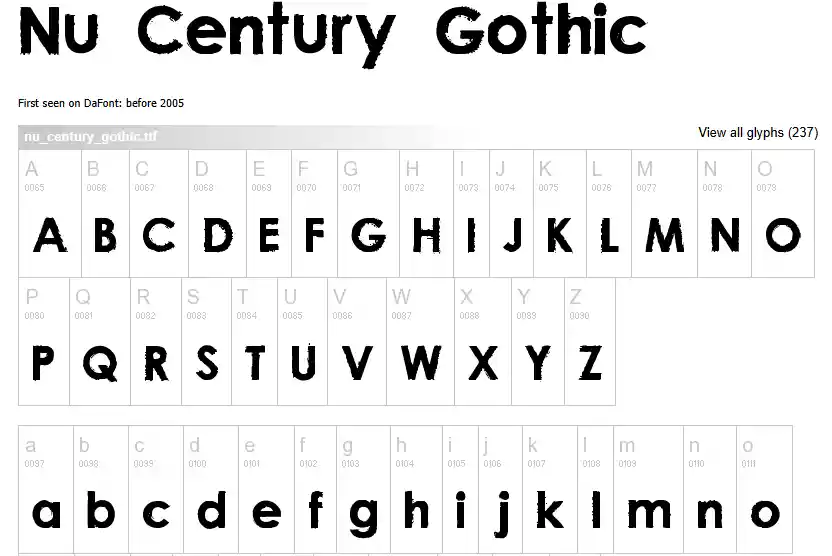
Century Gothic is a rounded, geometric sans-serif with open shapes that keep thread from clumping in tight corners.
- Watch out for: Wide letter spacing eats hoop space fast on longer words
- Best for: Modern logos, kids' apparel, clean monograms
3. Roboto
Google's default UI font translates well to thread. Even stroke widths mean fewer thread breaks.
- Watch out for: The Light and Thin weights are too delicate for thread—stick to Regular or Bold
- Best for: Tech company merch, casual branded apparel
4. Gill Sans
A humanist sans-serif with slight warmth in the letterforms. Reads friendly without looking casual.
- Watch out for: The lowercase 'a' and 'g' have quirks that can distort at small sizes
- Best for: Book club merch, cafe aprons, editorial-style branding
5. Proxima Nova
Modern, clean, and highly readable across sizes. One of the most requested fonts in commercial embroidery.
- Watch out for: The light and thin weights lose definition on textured fabrics—stick to regular or bold
- Best for: Startup swag, event apparel, professional polos
Bold Fonts That Stand Out on Fabric
Use these when text needs to read from across a room.
6. Cooper Black
Thick, rounded letterforms with no thin sections anywhere. One of the most reliable bold fonts in thread.
- Watch out for: The heavy fills eat thread and stitch time on large designs
- Best for: Retro-style logos, playful brand names, bold monograms
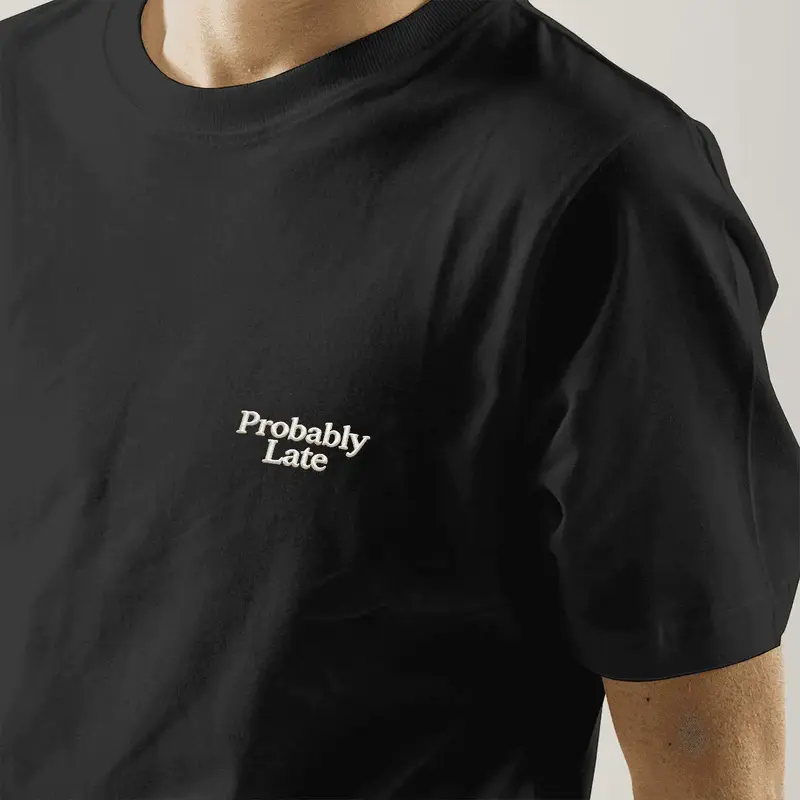
Custom Printed on Demand Gildan Embroidered Men's Cotton Tee - Men's Clothing - PrintKK
7. Helvetica Now Display Black
The heaviest cut of a classic. Reads clean at any size and holds shape after washing.
- Watch out for: Solid areas use a lot of thread—budget for it on large designs
- Best for: Team apparel, corporate outerwear, high-visibility caps
8. Rammetto One
Chunky, rounded, and playful without looking childish. Feels retro-modern.
- Watch out for: Rounded corners can look chopped if digitized carelessly
- Best for: Food truck aprons, indie brand merch, casual hoodies
9. Frutiger Next
A balanced bold sans-serif with even stroke widths that translate cleanly to thread.
- Watch out for: Similar characters (I, l, 1) can look alike at small sizes
- Best for: Uniform patches, wayfinding-style logos, professional workwear
10. Antique Olive Nord
Thick, condensed letters that pack visual weight into a small footprint. Holds shape well even on rough fabrics.
- Watch out for: Tight interior spaces need clean digitizing to avoid thread pile-up
- Best for: Streetwear, sports jerseys, bold statement tees
Modern Display Fonts for Statement Pieces
Pick these when the font itself is part of the design—not just a label on it.
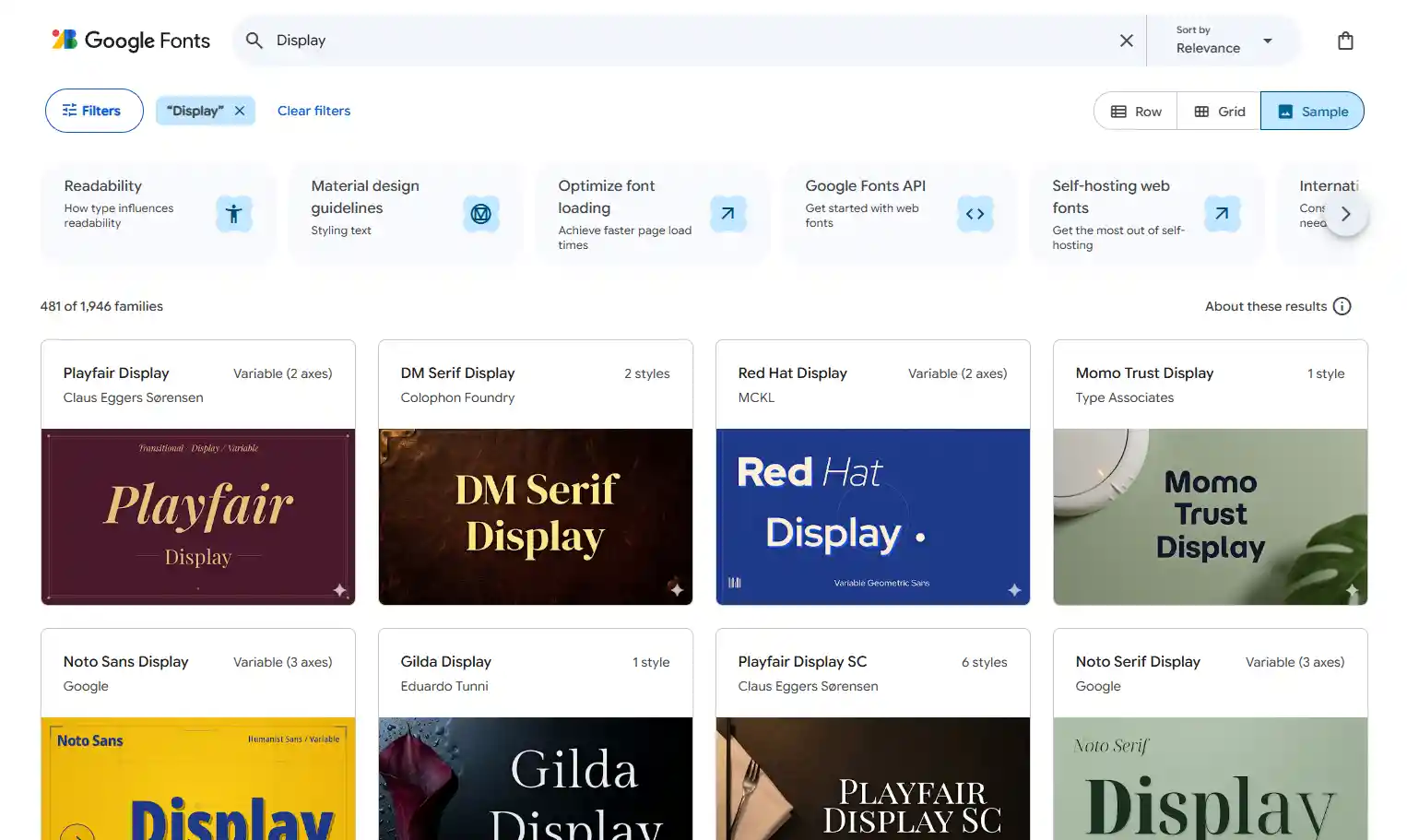
11. Florensans
A flowing sans-serif with subtle curves that feels contemporary without being trendy.
- Watch out for: The lighter weights lose definition below 15mm
- Best for: Wellness brand merch, boutique retail, lifestyle apparel
12. Futura Now
A refreshed version of the geometric classic. Perfect circles and clean angles stitch beautifully.
- Watch out for: Pointed letters (A, V, W) need extra digitizing attention at the tips
- Best for: Architecture firms, design studios, minimalist streetwear
13. Magiona Display
Elongated letterforms with an editorial feel. Best at display sizes on premium apparel.
- Watch out for: Only works at display sizes—not built for small text
- Best for: Fashion labels, art gallery merch, premium hats
14. Bely Display
A serif display font with sharp, modern angles. Reads clearly at large sizes but needs care in digitizing.
- Watch out for: Serif endings need careful density settings to avoid puckering
- Best for: Publishing merch, wine label style branding, statement tees
Minimal Fonts for Clean Designs
For when the font shouldn't compete with the rest of your design.
15. Montserrat
Montserrat is a geometric sans-serif with just enough personality to feel intentional. Free on Google Fonts.
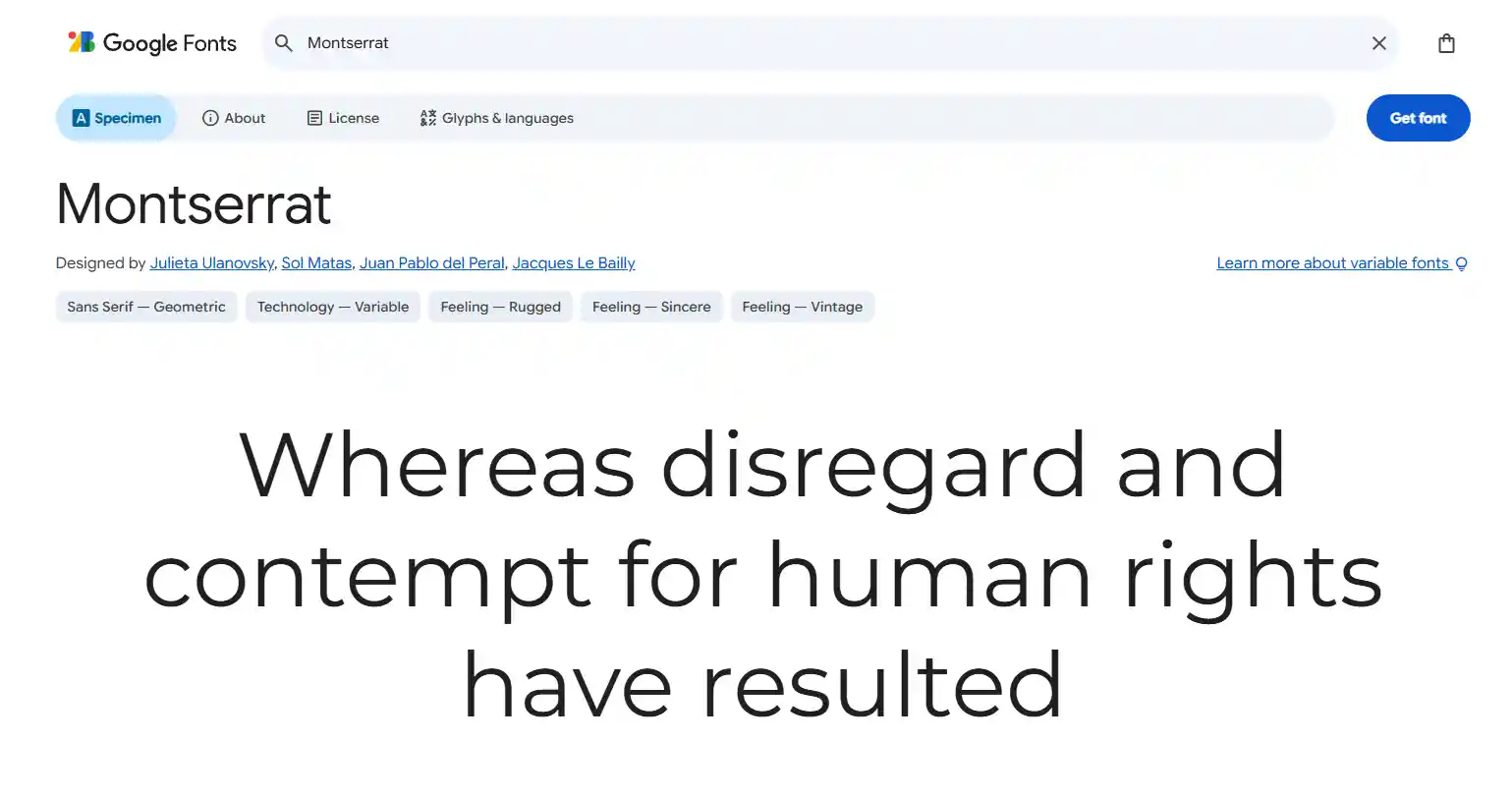
- Watch out for: The bold weights spread wide—leave breathing room in your layout
- Best for: Podcast merch, small business swag, minimalist name embroidery
16. Unica One
Tall, narrow, and quietly confident. Takes up little hoop space per letter.
- Watch out for: The condensed width means letters can visually blur if spacing is too tight
- Best for: Long text on caps, vertical layouts, single-line quotes
17. Alata
A modern sans-serif with balanced proportions and no distracting details.
- Watch out for: Best paired with a strong logo mark—the font itself stays out of the way
- Best for: Wellness apparel, yoga studio merch, quiet branding
18. Pilcrow Rounded
Soft, rounded terminals give it warmth without losing structure.
- Watch out for: Rounded corners can flatten on textured fabrics like fleece
- Best for: Kids' brands, cafe merch, friendly workplace uniforms
Vintage Fonts for Retro Embroidery
Pull these out when you want something that looks like it's been around forever.
19. Alfa Slab One
A chunky slab serif with vintage weight and no thin strokes to break. Free on Google Fonts.
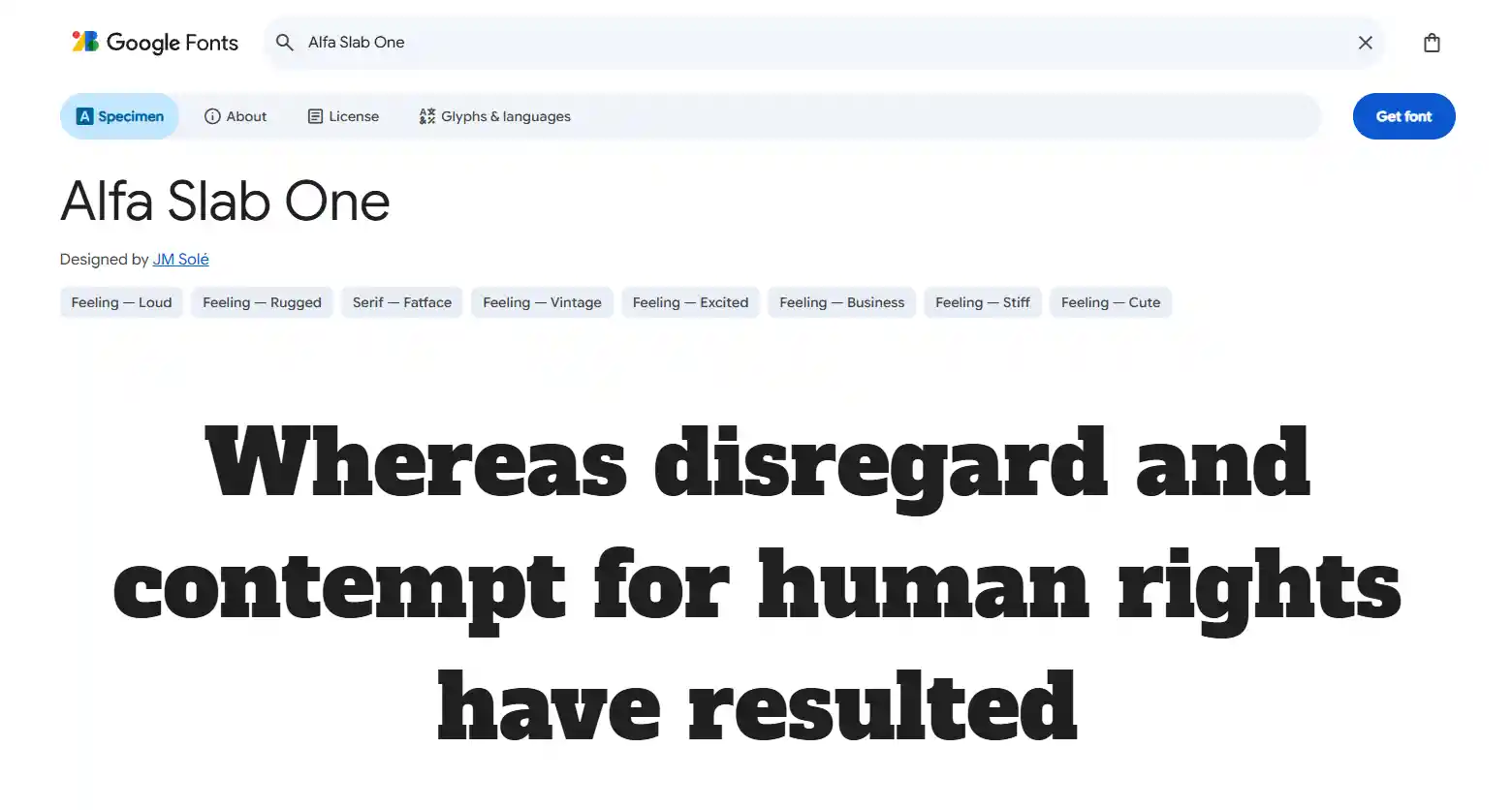
- Watch out for: The heavy slab serifs need enough size to keep their shape—aim for 15mm or larger
- Best for: Vintage brand logos, craft fair signs, throwback merch
20. Seventies
A groovy display font with bold curves and retro personality. High personality, low subtlety.
- Watch out for: Curved shapes need careful digitizing to keep the retro look intact
- Best for: Music merch, bar and restaurant apparel, throwback tour tees
21. Candice
A flowing script with mid-century charm. Feels like a diner menu in the best way.
- Watch out for: Connecting strokes between letters are thin and easy to break
- Best for: Retro diners, ice cream shops, nostalgia-themed brands
Script and Handwritten Fonts for Name Embroidery
Personal, warm, and made for gifts. Scripts are the trickiest category to stitch, so pick carefully.
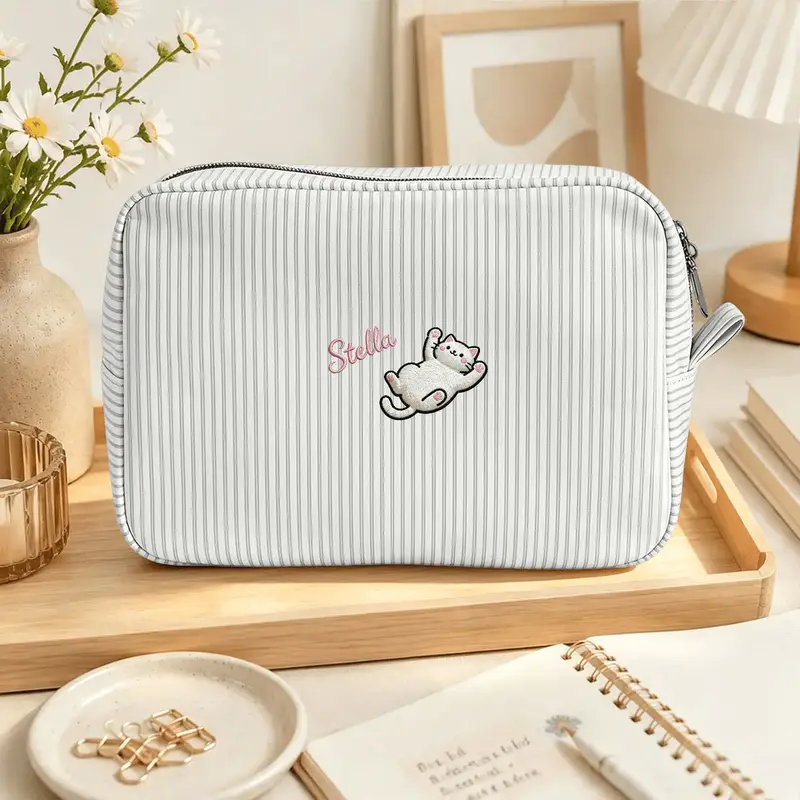
Custom Printed on Demand Embroidered Makeup Bag - Storage Products - PrintKK
22. Architects Daughter
A casual handwritten font that looks like real pencil notes. Feels genuine.
- Watch out for: Uneven strokes can look messy if digitized without cleanup
- Best for: Journal covers, DIY brand merch, personalized notebooks
23. Thirsty Script
A thick brush script with confident strokes. Reads bold and personal at the same time.
- Watch out for: Heavy strokes use more thread—expect longer stitch times
- Best for: Coffee shop merch, name sweaters, premium gift items
24. Ed's Market Script
A playful hand-lettered style with lots of character. Looks like a chalkboard sign.
- Watch out for: Irregular baseline makes alignment tricky in multi-word designs
- Best for: Farmers market aprons, craft fair merch, small food brands
25. Brush Script
A flowing classic that's been used on everything from letter jackets to greeting cards.
- Watch out for: Thin connecting lines break easily—keep text at 15mm or larger
- Best for: Team names, monograms, retro name embroidery
26. Chalk Brush
A rough-edged brush font with visible texture. Feels raw and handmade.
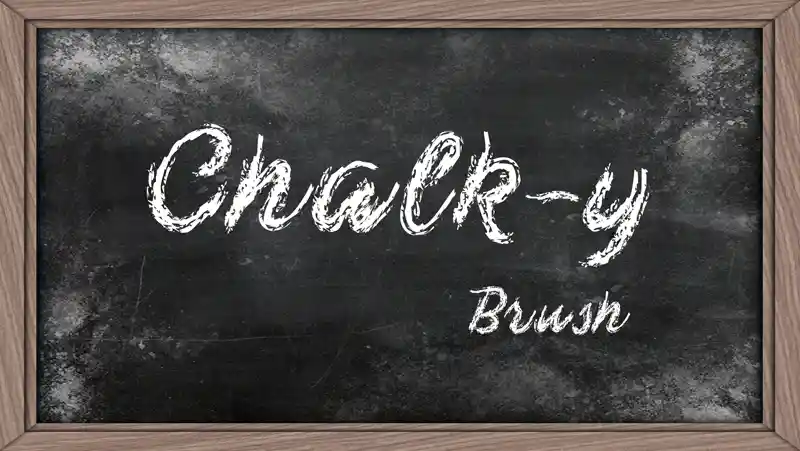
- Watch out for: Textured edges add complexity—only works at larger sizes
- Best for: Skater brands, indie merch, handmade goods branding
Read More:
How to Match Embroidery Fonts to Different Fabrics
The same font can look sharp on a canvas tote and disappear completely on a fleece pullover. Fabric texture changes what your needle can do—here's how to match font to material.
Fleece and High-Nap Fabrics
Fleece has a fuzzy surface that swallows thin thread. Anything delicate—script fonts, thin serifs, hairline strokes—sinks into the pile and vanishes.
Stick to bold sans-serifs with thick, even strokes. Use a topping (a thin plastic film) on top of the fabric during stitching to keep letters sitting proudly above the nap.
Cotton and Canvas
These are the easiest fabrics to embroider. Flat, stable, and forgiving—almost any font from the list above will work.
This is where more detailed scripts and serifs have the best shot—as long as strokes stay above 1.5mm.
Knit and Jersey
Knit fabrics stretch and shift, which distorts thin lines and disconnects script strokes. Stick to medium-weight sans-serifs, or a thick brush script like Thirsty Script when you want a personal feel. Skip anything with hairlines.
Use a cut-away stabilizer on the back to hold the fabric still while stitching. Without it, letters warp the moment the hoop comes off.
Towels and Terry Cloth
Terry loops eat detail even faster than fleece. Only bold, chunky fonts stand a chance—think Antique Olive Nord or Rammetto One.
You'll also need a water-soluble stabilizer on top to press the loops flat during stitching. Skip it and the letters look like they're drowning.
Denim and Heavy Woven Fabrics
Denim is the most forgiving fabric on this list. Dense weave, no stretch, no pile—it holds detail like paper holds ink.
This is your chance to use complex scripts, serif fonts with fine strokes, or ornate display fonts that would fail on anything softer. Cooper Black, Thirsty Script, and Bely Display all hold up well here.
Where to Find and Download Embroidery Fonts
Once you've picked a font, here's where to actually get it. Five reliable sources, ranging from free to premium.
Canva
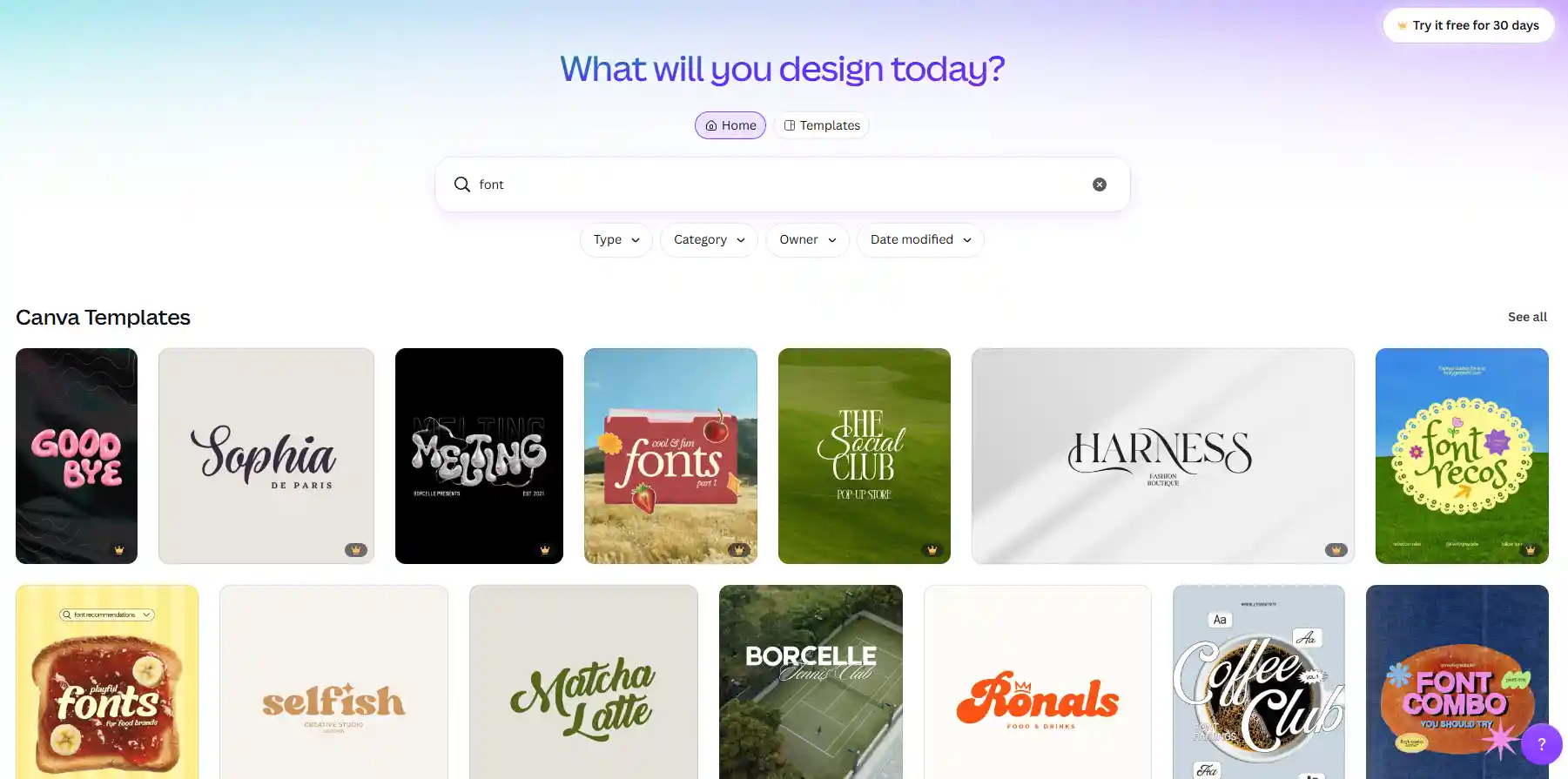
Canva is a free online design tool with thousands of fonts built in.
The files won't work directly with an embroidery machine, but the platform is perfect for mocking up a design and seeing how the text will look before committing. Great for testing layouts, spacing, and font pairings before spending money on the real files.
DaFont
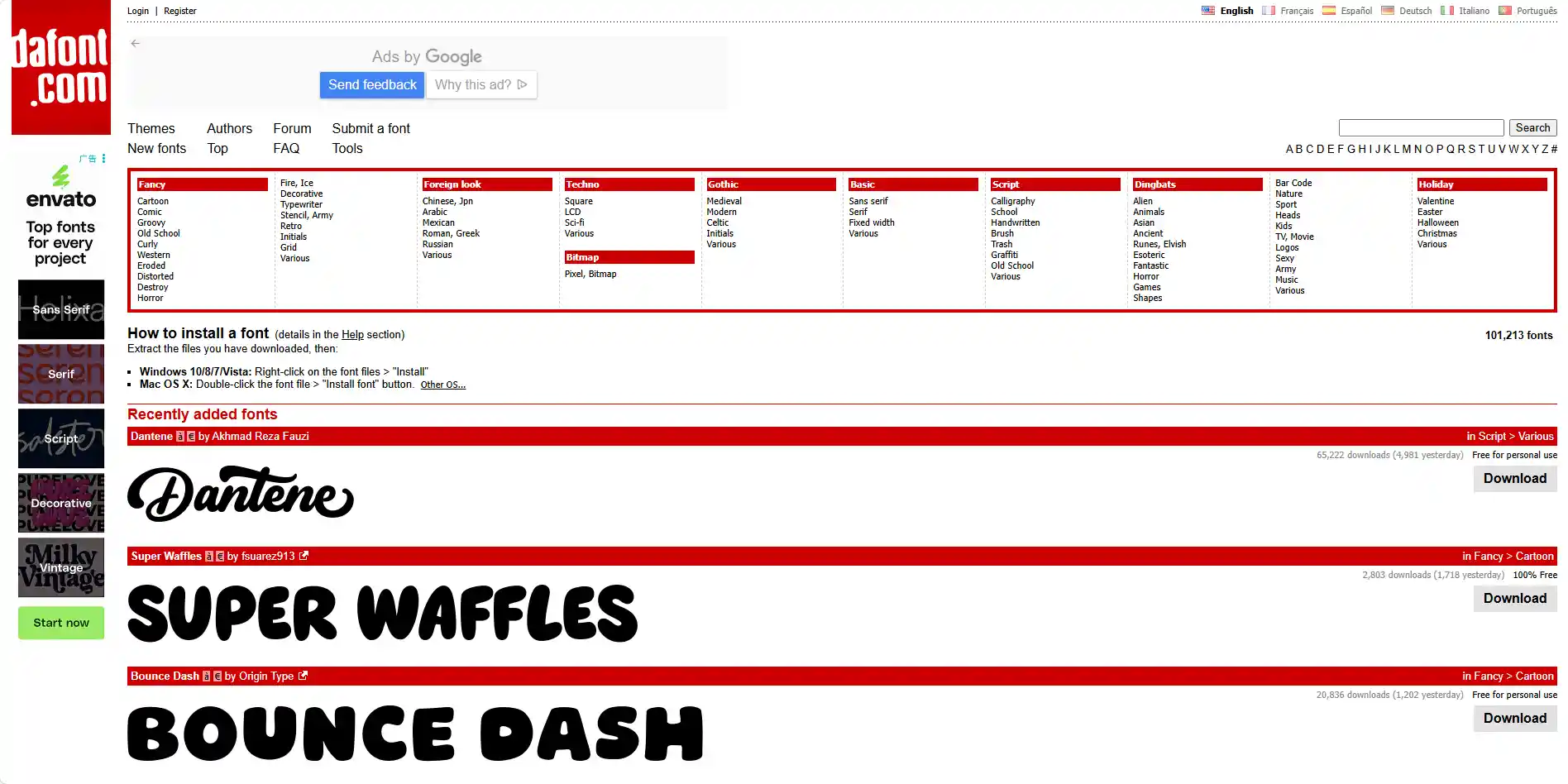
DaFont is the largest free font library online, with clear category filters for script, display, retro, and more.
Files come as standard font files, which means converting them into a machine-ready format first using software like Hatch or Embrilliance. Worth it for the variety, as long as the extra step isn't a dealbreaker.
Google Fonts
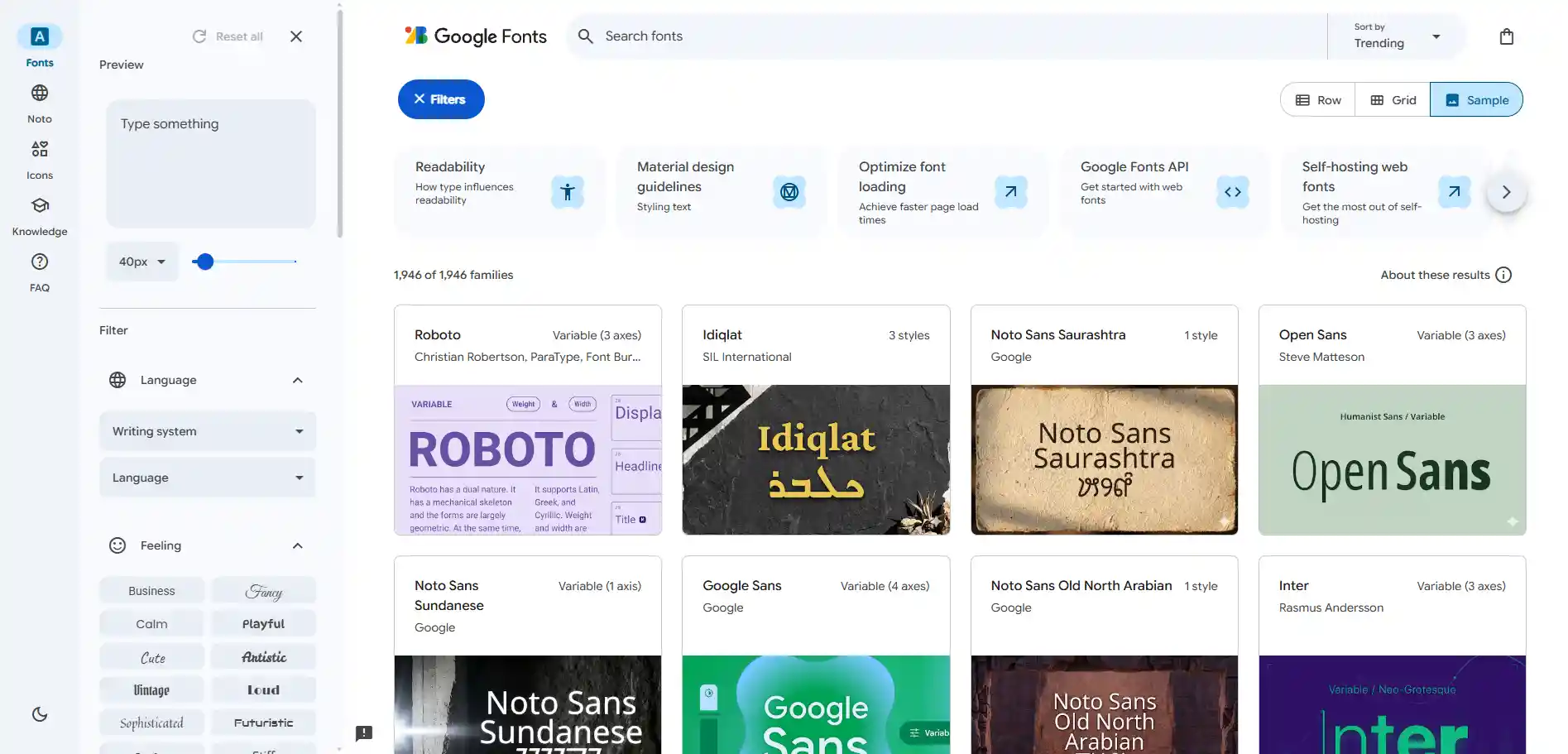
Google Fonts is home to free fonts you can use commercially, like Roboto, Montserrat, and Architects Daughter, all featured earlier in this guide.
The files still need converting before stitching, but the license lets you use them on merch you sell without paying extra fees. Hard to beat for zero-budget branding.
Creative Market
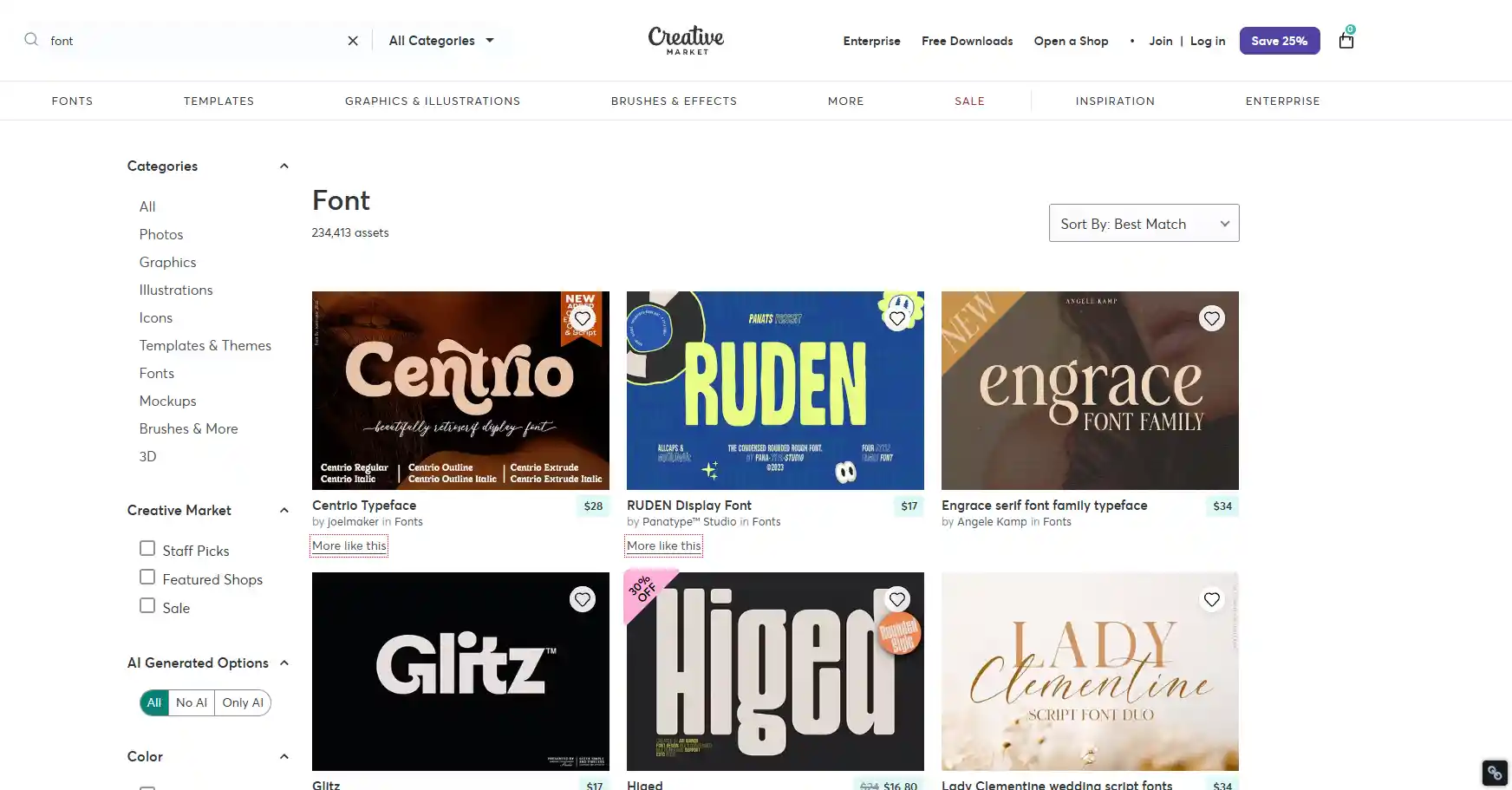
Creative Market is a paid marketplace with high-quality fonts sold with full permission to use them commercially.
Searching "embroidery" filters for fonts that include ready-to-stitch files or come from designers who understand thread. Prices run higher than Etsy, but so does the quality. Worth it when building a brand that needs consistent, polished output.
Etsy
Searching "BX font" or "PES font" turns up thousands of ready-to-stitch files. PES loads straight into most home machines; BX installs on your computer and works inside embroidery software.
Prices usually run $3 to $10 per font, and most sellers include multiple sizes and styles. Filter by 4-star or higher sellers if you want to avoid low-quality files that need cleanup before they'll stitch cleanly.
How to Use Fonts with Embroidery Machines
Digitizing Fonts for Your Machine
A font downloaded from Google Fonts or DaFont can't go straight to an embroidery machine. Each letter needs to be turned into a stitch pattern first, a process called digitizing.
Software like Hatch, Embrilliance, or Wilcom handles this. It maps out where the needle goes, in what order, and how dense each stitch should be.
A basic digitizing job on a full alphabet can take a beginner several hours. BX fonts skip this step entirely, which is why they cost more but save that setup time.
Common File Formats (PES, DST, BX)
Embroidery machines don't read regular font files. They read stitch files, and different machines read different formats.
| Format | Works With | Best For |
|---|---|---|
| PES | Brother machines | Home embroidery, hobbyists |
| DST | Tajima and most industrial machines | Commercial and professional work |
| BX | Any machine (via keyboard installation) | Skipping the digitizing step |
PES files end in .pes and are the standard for home users. DST is the format professional digitizers usually deliver in, because nearly every industrial machine can read it.
Testing Before Stitching the Final Piece
Never trust a font on the first try. Always run a test stitch on a scrap piece of the same fabric before touching the real garment.
Watch for two things: puckering (fabric bunching up around the letters) and letters that look distorted or squished.
Both usually mean the stitch density is too high. Most software has a density slider in the letter properties panel, and lowering it a notch solves most problems.
Ten minutes on a scrap saves a ruined $30 hoodie.
Expert Tips
The best fonts for embroidery come down to matching the style to the job. Pick bold, clean fonts for caps and small patches where space is tight. Save script and thin serifs for larger pieces like jacket backs or towels, where fine curves have room to breathe.
Match the mood too—playful fonts for kids' gear, clean sans-serifs for workwear, elegant scripts for wedding items.
Before you stitch, test a small sample on the same fabric. That one step catches most problems. Start with the fonts on this list, keep your designs simple, and let good letters carry the work.
FAQs
What font is best for embroidery names?
Script fonts work well for personal touches like monograms, while bold sans-serifs read cleaner on sportswear or larger items. Thirsty Script and Brush Script both hold up nicely on name sweaters.
How do I choose the right embroidery font for my project?
Match the font to three things: the fabric, the size, and the mood. Fleece needs bold fonts, small text needs simple shapes, and gifts feel warmer with handwritten styles.
What fonts are trending in embroidery right now?
Chunky retro fonts like Rammetto One and Seventies are popular right now, along with clean geometric sans-serifs like Montserrat. Handwritten scripts stay a solid choice for personalized merch and small-batch brands.
What's the best script font for embroidery without losing legibility?
Thirsty Script keeps its shape well because the strokes are thick and evenly weighted. Avoid delicate scripts with hairline connections, which tend to break or blur once stitched.
Are there good free fonts for hand embroidery?
Yes—Google Fonts and DaFont both have thousands of free options that work for hand and machine embroidery.

 Global Shipping