




ウェルネス業界は世界で最も急速に成長している市場の1つであり、2026年はその中でビジネスを構築する絶好のタイミングの1つです。
サービスで小さく始めたい場合でも、製品ブランドを立ち上げたい場合でも、あるいはGLP-1サポートや長寿といった新興カテゴリーに参入したい場合でも、適切な分野を選ぶ新しい起業家にはチャンスがあります。
このガイドでは、2026年に始めるための15の収益性の高いウェルネスビジネスのアイデアについて、それぞれにかかる費用、対象となる人、そして実際に始めるための方法を紹介します。
主なポイント
- サービス業はすぐに始められますが、稼働時間によって上限が決まります。
- 製品ブランドはさらに拡大しますが、発売までに2 to 6か月かかります。
- 十分なサービスを受けていない層 — 男性、高齢者、神経多様性のある成人 — は、最大の機会を提供します。
- オンデマンド印刷は在庫リスクゼロでウェルネスアパレルを展開します。
- ランウェイに合わせましょう — 大きすぎることは、小さすぎることよりも多くのブランドを潰します。
今こそウェルネスビジネスを始めるのに適した時期である理由
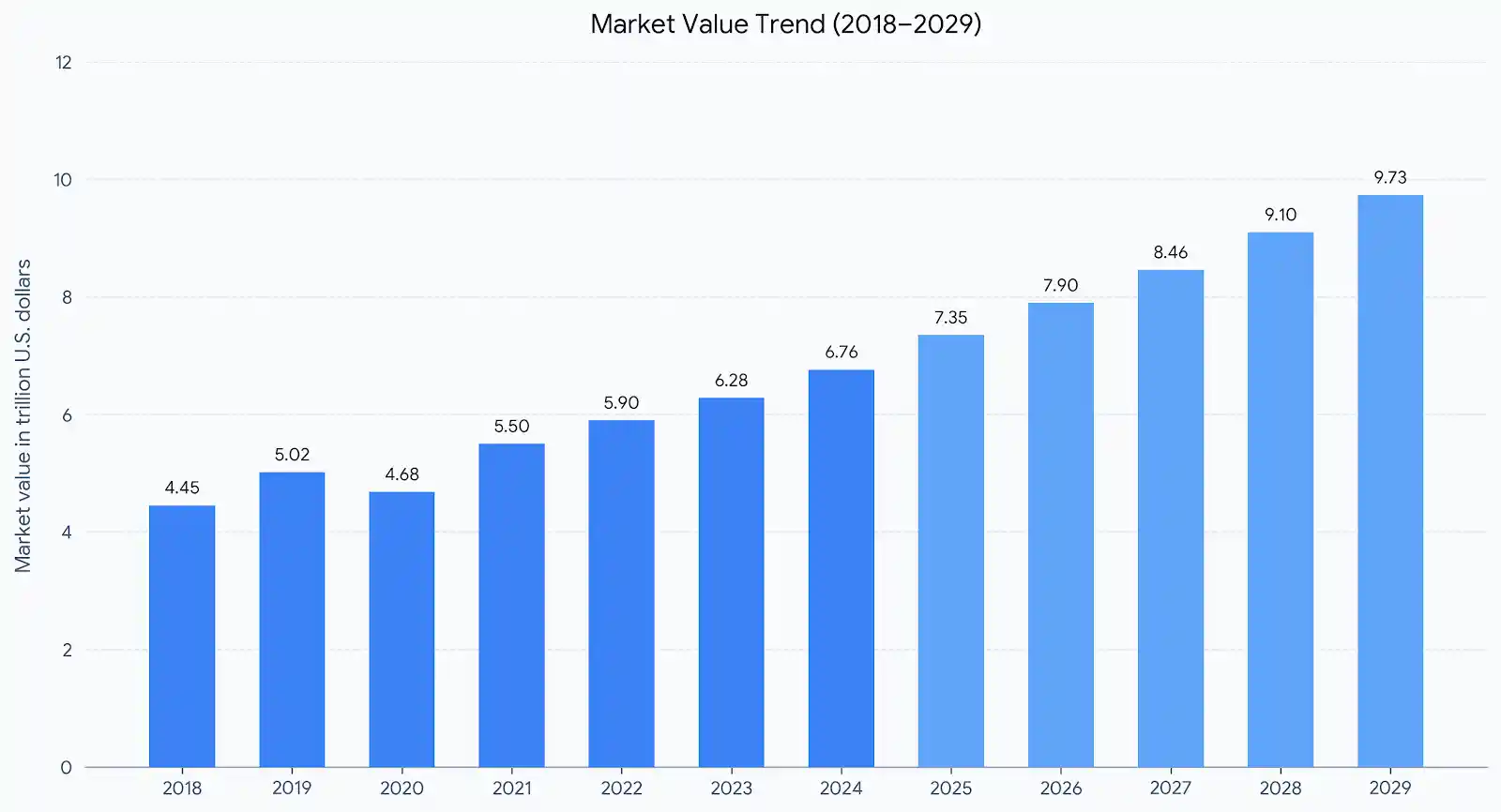
ウェルネス市場は減速していません — 変化しています。世界のヘルス&ウェルネス市場は2024年に$6.8兆を超える評価額となり、2028年までにほぼ$9兆に達すると予測されています。
2026年を特別な年にする3つの要素。 消費者需要は組み込まれている — パンデミック後、人々はウェルネスを贅沢品ではなく、毎月の支出として捉えている。
スタートアップのコストは大幅に下がりました。dropshipping、オンデマンド印刷、プライベートブランドのサプライヤーを利用すれば、数千ドルで立ち上げることができます。
そして大手ブランドには盲点があります — 既存企業は幅広く汎用的な製品ラインを構築するため、垂直型のニッチ市場が残されます。
男性のメンタルヘルス、産後の回復、高齢者のフィットネス、GLP-1併用栄養など、幅広い分野に大きな可能性があります。
試してみたい収益性の高いウェルネス事業のアイデア15選
1. オンラインフィットネスコーチング
自宅でのフィットネスは、ジムが再開した後も廃れることはありませんでした。それは完全にオンラインへ移行し、定着しました。現在、トレーナーたちはノートパソコンから本格的なビジネスを運営しています — ビデオ通話、カスタムプラン、WhatsAppでの毎週のチェックイン。
それを機能させるのは利益率です。20人目のクライアントに対応するコストは、5人目と比べてもほとんど増えません。しかし、ここに落とし穴があります。すべての人をコーチしようとしてはいけません。
本当に稼いでいるトレーナーたちは、特定の分野を選んだ — 産後に体力を取り戻したい母親たち、膝の痛みなしでハイキングをしたい50歳以上の男性たち、初年度のマラソンランナーたち。具体性は、いつでも一般論に勝る。
2. 栄養コーチングと食事計画
誰もがMyFitnessPalを試したことがある。誰もがそれを諦めたことがある。本当に人々が求めているのは、自分の奇妙なスケジュール、子どものピーナッツアレルギー、そして味気ないデスクランチを理解してくれる生身の人だ。
栄養コーチは無料アプリより賢いわけではなく、ただ 注意を払っているだけです。そして、勝つ人たちは特定の対象層を選びます。
"健康的な食事のコーチ"は無視される。"妊娠中のランナー向け栄養コーチ"は予約でいっぱいになる.
3. サプリメントおよびビタミンブランド
サプリメントはなくなることはありません。むしろ、カテゴリは増え続けています:
- 睡眠とストレス
- GLP-1コンパニオン栄養
- 女性ホルモン
- 集中力と認知能力
- 腸とマイクロバイオーム
ラボは必要ありません。プライベートブランドのサプライヤーが、ボトルにあなたのラベルを貼り、少量バッチであなたの処方を製造します。
発売前には、サンプル、パッケージデザイン、FDA準拠のラベル表示の予算を引き続き確保する必要があります — ここで手を抜くと、たいてい後で痛い目を見ることになります。しっかりブランド化されたサプリメントの利益率は高いです。
4. メンタルウェルネスアプリまたはプラットフォーム
瞑想、日記、気分の記録、セラピーのマッチング――メンタルウェルネスアプリの市場は非常に大きいものの、既存のアプリのほとんどは誰にでも対応しようとしています。そこにチャンスがあります。
ある特定のグループ向けに作られたアプリ — 不安を抱えるティーン、新米の親、ADHDの成人、夜勤の看護師向けのもの — は、アルゴリズムのためではなく、誰かのために作られたように感じられます。
コードを書く必要はありません。BubbleやFlutterFlowのようなノーコードツールを使えば、数週間で動作するアプリを手に入れられます。月額サブスクリプション料金を請求し、数千人のユーザーを獲得すれば、計算は成り立ちます。
5. ウェルネスコンテンツサイトまたはニュースレター
これは見落としがちなものです。立ち上げコストは基本的にゼロです。上振れの可能性は非常に大きいです。下振れリスクは、何かが動き始めるまでに数か月、場合によっては1年かかることです。
継続できれば、特化したニュースレター — たとえば、腸の健康レシピ、40歳以上の女性向け筋力トレーニング、あるいはTikTokのブロ・サイエンスではなく本物の睡眠科学 — は、広告、アフィリエイト、スポンサー、有料購読から収益を得られる。
その単語は複合語です。コンテンツはそこに置かれたまま機能し続けます。
6. NoLoとアルコールフリーのソーシャルウェルネス
若い世代はこれまでのどの世代よりも飲酒量が少なく、年配の飲酒者は健康上の理由から飲酒を控えています。しかし、ナイトライフの社交的な側面が消えたわけではありません。新たな居場所を必要としているだけです。
アダプトゲン入りモクテル、しらふの交流会グループ、夜間サウナやティーラウンジ、そしてノンアルコールスピリッツが、いずれも急速に成長しています。
現在進行している消費者の大きな変化の一つであり、それを支えるソーシャルインフラは、今も構築されている途中です。

7. アダプトゲンおよび機能性飲料ブランド
アダプトゲンソーダ、マッシュルームコーヒー、ヌートロピックエナジードリンク、ホルモンティー。このカテゴリーは何年も熱狂的な人気を集めており、衰える気配はありません。
トレードオフは資本です。飲料の立ち上げには費用がかかります — 包装、生産ロット、配送(液体は重い)。
しかし、小売での上乗せ率は高く、ウェブサイトと並行して地元の健康食品店やジムとの提携をいくつか獲得できれば、成長は急速に進む可能性があります。
棚での訴求力を考えましょう — 飲料は中身だけでなく、見た目でも売れ行きが決まります。
8. 睡眠とリカバリー製品
静かな睡眠は健康の第4の柱となった。人々は今や、よく眠るために本当のお金を支払う:
- 加重ブランケットと冷感シーツ
- マグネシウムスプレーと睡眠用グミ
- ブルーライトカット眼鏡
- 口テープと鼻腔拡張テープ
- 日の出アラームとアイマスク
ここでの購入者はプレミアム志向の購入者です。2年間不眠に悩んでいる人は、本当に役立つ製品であれば、より高い金額を支払うことをためらいません。価格よりも品質とストーリーに重点を置いてください。
9. ナチュラルスキンケアとクリーンビューティーブランド
クリーンビューティーは 競争が激しく、避けては通れません。しかし、ウェルネス分野で最も利益率の高いカテゴリーの一つでもあります — ブランドに魅力を感じれば、単一の美容液にも喜んでお金を払う人々がいます。
ここで勝つ鍵は切り口です。 "Clean skincare"は無視されます。
更年期の肌のためのスキンケア、10代のニキビ向け製品、ミニマリストの3ステップルーティン、敏感な頭皮向けの処方 — そうしたものは記憶に残ります。狭い切り口を選び、深く掘り下げましょう。
10. 企業ウェルネスプログラム
これはあまり注目されていませんが、非常に高収入です。特にリモートワーク後の現在、企業は従業員のメンタルヘルスに本気でお金を投じています。
ウェルネスコンサルタントは、ストレスワークショップ、人間工学的評価、フィットネスチャレンジ、メンタルヘルストレーニングをmonthlyのリテイナー契約にパッケージ化できます。
数字の計算が、これをやる価値のあるものにしている。1件のB2B契約で、個人のコーチング顧客数十人分を置き換えられる。退屈に聞こえるかもしれないが、LinkedInで人事部門の責任者にコールドアウトリーチするのが、今でも最も早く入り込む方法だ。
11. ウェルネスリトリートとワークショップ
何年も画面越しに過ごした後、人々は現実でのつながりを求めています。週末のワークショップ、海外での1週間のリトリート、毎月の地元イベント — これらはすべて、体験が良ければうまくいきます。
計画を立てることが大変な部分です。会場、食事、保険、マーケティング。ただし、ゲスト1人あたりの収益は高く、週末の少人数グループでも、1対1のクライアント業務1か月分を上回る収益を生み出せます。
プロのヒント:最初から自分の会場を購入しないでください。既存のヨガスタジオと提携するか、Airbnbの物件を借りて、ビジネスモデルがうまくいくと分かるまでリスクを低く抑えましょう。
12. 長寿とバイオマーカー検査スタジオ
長寿は、現在ウェルネス分野で最も話題を集め、VCから最も多く資金提供を受けている領域です。
赤色光療法、コールドプランジ、VO2 maxテスト、ボディスキャン、生物学的年齢検査を組み合わせた小規模スタジオが、主要都市のあらゆる場所でオープンし、満員になっています。
資金が難点です。設備と内装工事だけで、ドアを開ける前に6桁の金額を消費します。
しかし会員料金は高く、いったん誰かが自分の生物学的年齢が2年若返るのを見ると、解約しません。 このモデルの継続率はウェルネス分野で最高です。
13. アロマセラピーとエッセンシャルオイルブランド
エッセンシャルオイル市場の底辺は、底辺への競争です。その頂点は、混み合ってすらいません。まだ余地がある場所:
- 実際の産地が明確な単一農園調達
- 成果を軸にしたブレンド — 集中力、睡眠、ホルモンバランス
- 医療機器のように見えないディフューザー
- 原材料表示を読めるキャンドルとルームスプレー
低い単位コスト]、堅調な利益率、促されなくても人々が再注文する。ウェルネス分野における、これ以上ないほどクリーンなサブスクリプションモデルに近い。
14. ウェルネスサブスクリプションボックス
厳選ボックスは今でも機能していますが、それは単に箱に商品を詰めるのではなく、本物のコミュニティを中心に構築された場合に限ります。
今注目のテーマ: 女性向けサイクルサポート、アダプトゲンのサンプラー、腸内健康キット、瞑想ツール。
ビジネス全体は継続率にかかっています。コンテンツ、コミュニティへのアクセス、または専門家によるQ&Aを同梱したボックスは、商品だけのボックスよりもはるかに高い継続率を維持します。
ただ物を発送しているだけなら、早期解約を覚悟してください。3か月目を過ぎても続ける理由を人々に与えましょう。
15. 十分なサービスを受けられないグループのためのウェルネス
これは意図的に最後に取っておきます。2026年の最大のチャンスは、上記の競争が激しいカテゴリーにはありません。主流のウェルネスが無視し続けているグループにあります。:
- 男性のメンタルヘルスとスキンケア
- 60歳以上の人々のウェルネス — 移動能力、転倒予防、アクティブ・エイジング
- ニューロダイバージェントな成人向けの製品とコーチング
- 産後の回復:最初の6週間以降
- GLP-1薬を服用している人のためのウェルネス
これらのどれも、それ単体で完全なブランドを担うことができます。大きなオーディエンス、最小限の直接競合、そして見えない存在にされることに本気で苛立っている購入者たち。どこから始めればよいかわからないなら、ここから始めてください。
続きを読む:
ウェルネスビジネスを始めるにはどれくらいの費用がかかりますか
サービスとコンテンツ:Lean End
コーチング、栄養コンサルティング、ニュースレターは、低コスト側に位置します — 基本的に必要なのは、ノートパソコン、Zoomアカウント、安価なウェブサイトだけです。販売しているのは在庫ではなく、時間です。
本当のメリットは利益率です。コーチングビジネスは、継続的なコストがソフトウェアと税金だけなので、通常 60% to 80%の粗利益率 で運営されています。
LTVも十分に成り立つ — 1年間継続してくれるクライアントは、オーガニックコンテンツを通じて獲得するのにかかったコストを大きく上回る。
製品ブランド: The Middle
サプリメント、スキンケア、アパレル、サブスクリプションボックスはここにあります。ここでは、ほとんどの創業者が在庫にお金をかけすぎ、マーケティングへの支出が少なすぎます。
資金はプライベートブランドのMOQ、パッケージング、適合ラベル、写真撮影、有料広告に向けられます。粗利益率は高くなる可能性がありますが、落とし穴は CAC です。.
MetaとTikTokは高額になっており、有料獲得はAOVが十分に高く、顧客が少なくとも2回は再注文する場合にのみ機能します。最初のPOを出した後ではなく、出す前にその計算を行ってください。
実店舗: ヘビーエンド
長寿スタジオ、バイオマーカー検査、フロートセラピー施設は、ウェルネス業界で最も 資本集約的な分野です。設備、内装工事、許認可、賃料、人件費のすべてが、開業前に発生します。純利益率は厳しい 15% to 25%にとどまります。.
モデルを機能させるのは顧客生涯価値です。2年間継続する会員は、実際の獲得コストを正当化します。しかし、解約率が高いと、すぐに崩壊します。
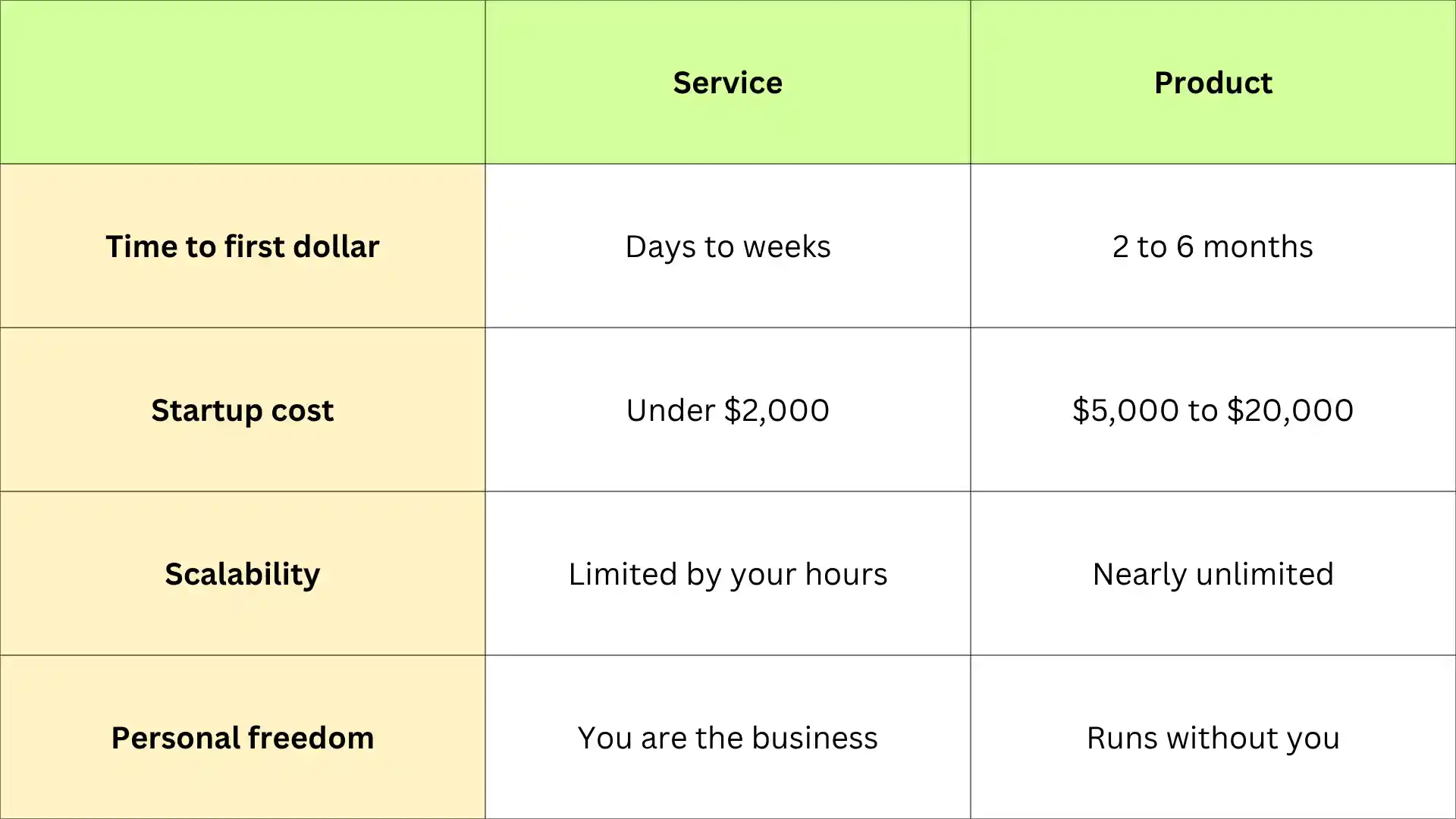
製品型 vs サービス型ウェルネスビジネス:どちらを始めるべきか
ほとんどすべてのウェルネスビジネスは、次の2つのカテゴリーのいずれかに分類されます: 商品を販売しているか、または あなたの時間を販売しているかです.
サービスビジネス — コーチング、トレーニング、コンサルティング — はすぐに始められ、数日以内に収益を得られます。しかし、収益はあなたの時間によって上限が決まります。
商品ビジネス — サプリメント、アパレル、スキンケア — は、最初の収益が出るまでに2 to 6か月かかります。しかし一度うまく回り始めると、サービスでは不可能な形で拡大します。誰かが購入しているときに、あなたは眠っていることもできます。
すぐに収入が必要で、本物のスキルがある?サービスから始めよう。
いくらかの貯金と忍耐力がありますか?製品から始めましょう — より大きな上振れがあり、2回目のローンチは1回目よりずっと簡単です。
プロダクト寄りだけれど、製造面が圧倒的に難しく感じるなら、それは普通です — そしてここ数年で劇的に簡単になりました。次に扱うのはその点です。
PrintKKでウェルネスビジネスを簡単に始めましょう
このリストのすべてのアイデアを製造する必要はありません。しかし、フィットネスコミュニティブランドを作るなら、従来のやり方は過酷でした。
売れるかどうかわからなかった何かを500個発注し、3か月待ち、サンプルがモックアップと一致するよう祈り、それから箱をすべてどこに保管するか考える。
プリントオンデマンド はそれを省略します。あなたがデザインし、ストアに掲載すると、PrintKK が注文が入るたびに印刷して発送します。誰かが支払うまで何も作られません。
PrintKK に合うウェルネスブランドの一部はこちらです:
ヨガとアクティブウェア
レギンス、スポーツブラ、タンクトップ、ジョガーパンツ。あらゆるヨガやフィットネスアパレルラインの中核。小ロットでプリントし、オーディエンスが実際に着るものを見極め、勝ち筋の商品で残りの資金を賄いましょう。
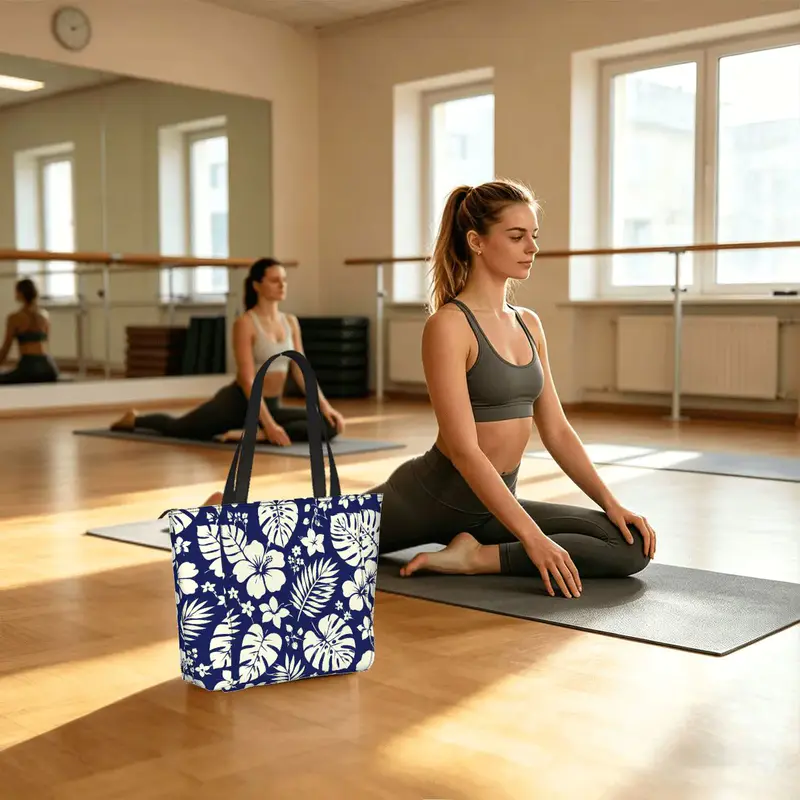
オンデマンドカスタムプリント ヨガマットキャリア付きヨガバッグ (AOP) - PrintKK
フィットネスとジム用アパレル
Tシャツ, フーディー、帽子。ジムブランド、トレーナー、ワークアウトコミュニティに最適です。コミュニティ向けグッズは一般的なアクティブウェアより売れます。なぜなら、あなたの顧客が歩く広告塔になるからです。

ドリンクウェア
ウォーターボトル、タンブラー、マグ。人々はこれらを一日中持ち歩くので、あなたのロゴも一緒に持ち歩かれます。ウェルネス分野で最もリピート購入率の高いカテゴリの1つです。

ストロー付きステンレススチール製ウォーターボトルのオンデマンド印刷 (12oz) - PrintKK
マインドフルネス ホームグッズ
枕カバー、スローケット、ウォールアート。瞑想、ジャーナリング、落ち着いた空間向けの商品ラインに適しています。また、運動はしないけれど日常生活にウェルネスを取り入れたい購入者層にも広がります。
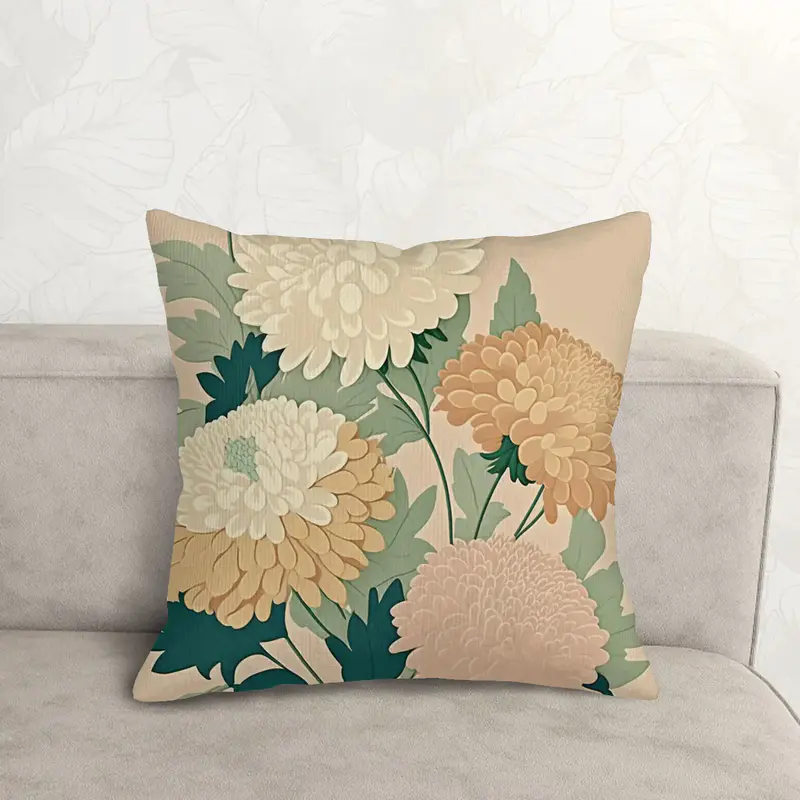
Print on Demand 芯入りコーデュロイのクッションカバー(両面デザイン) - ホームデコ - PrintKK
Studio and Retreatのグッズ
ヨガスタジオ、コーチ、リトリート、ワークショップ向けのブランド入りギア。すでに販売しているものに加えた、魅力的な追加収入。
さらに、グローバルフルフィルメント、Shopify と TikTok Shop 連携、そしてデザイナーを雇わなくてもブランドに合ったアートワークを出力できる AI design tools も利用できます。
単位あたりの利益率は大量製造より低くなりますが、在庫リスクはゼロであり、どのデザインにも賭けることなく、好きなだけ多くのデザインを試すことができます。
初めての創業者にとって、そのトレードオフはほぼ常に価値があります。
代わりにサプリメント、スキンケア、または飲料を販売しますか?それらにはプライベートラベル製造が必要です — より大きな負担ですが、別の記事で扱う内容です。
専門家のヒント
十五の道。ひとつの決断。あなたは今、そこにいる。
最高のウェルネスビジネスのアイデアには共通点が1つあります — 実在する人々の特定のグループが抱える現実の問題を解決することです。すべての人ではありません。特定の誰かです。
予算、スキル、そして実際に理解している対象者に合ったアイデアを選びましょう。思っているより小さく始めましょう。快適だと感じるよりも早く立ち上げましょう。学びながら調整しましょう。
2026年のウェルネス市場では、行動する創業者が評価される。完璧な計画を持つ人ではない。製品を世に送り出し、耳を傾け、進み続ける人たちだ。
あなたの番です。
よくある質問
最も収益性の高いウェルネスビジネスは何ですか?
長寿(ロングエビティ)スタジオやサプリメントブランドは、顧客1人あたりで最も多くの収益を得ることがよくあります。しかし、実際の答えはあなたの予算によって異なります。すでにスキルを持っている場合、コーチングは最も高い利益率を誇ります。
ホリスティックウェルネス事業を始めるにはどうすればよいですか?
まず1つの明確な焦点を選びましょう。最もよく理解している顧客層を選びます。ビジネスを登録し、シンプルなウェブサイトを作成し、1つのサービスまたは商品を提供します。何かがうまくいった後で、さらに追加していきましょう。
ウェルネスビジネスを始めるのに資格は必要ですか?
何を販売するかによります。コーチング、栄養、フィットネスは通常、信頼と法的理由のために資格が必要です。マーチやコンテンツサイトのような商品ブランドは、始めるのに正式な認証は必要ありません。
ローンチ後にウェルネス事業を成長させるにはどうすればよいですか?
最初の顧客とは頻繁に話しましょう。彼らが何を気に入っているのか、何があればよいと思っているのかを把握してください。うまくいっていることにさらに注力し、うまくいかないことはやめ、コンテンツと outreach は一貫して続けましょう。

 Global Shipping